Introduction:
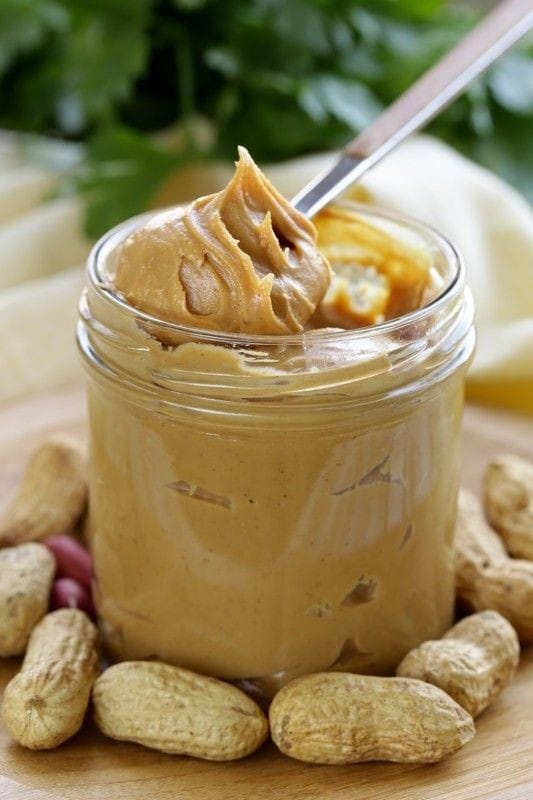
Are you looking to achieve your weight goals with the help of a delicious and nutritious food? Look no further than peanut butter! Whether you’re aiming to gain muscle mass or shed unwanted pounds, peanut butter can be a valuable asset in your journey towards a healthier lifestyle. In this comprehensive guide, we’ll explore the optimal daily amount of peanut butter for weight gain and weight loss, delving into its benefits, calorie content, and strategies for incorporating it into your diet effective.
Unveiling the Nutritional Powerhouse: Peanut Butter Benefits
Peanut butter isn’t just a tasty spread – it’s also a nutritional powerhouse packed with essential nutrients that can support your overall health and well-being. From heart-healthy fats to muscle-building protein, peanut butter offers a myriad of benefits:
- Heart Health: Peanut butter contains monounsaturated fats, which have been shown to improve heart health by reducing bad cholesterol levels and lowering the risk of heart disease.
- Muscle Building: With its high protein content, peanut butter is an excellent choice for individuals looking to build muscle mass and strength. Protein is essential for muscle repair and growth, making peanut butter a convenient post-workout snack option.
- Nutrient-Rich: In addition to healthy fats and protein, peanut butter is also rich in essential vitamins and minerals, including vitamin E, magnesium, and potassium, which play vital roles in various bodily functions.
Crunching the Numbers: Peanut Butter Calories Demystified
While peanut butter offers numerous health benefits, it’s important to be mindful of its calorie content, especially if you’re trying to manage your weight. Here’s what you need to know about peanut butter calories:
- Calorie Density: Peanut butter is calorie-dense, with approximately 190 calories per two tablespoons. While this may seem high, it’s important to remember that the majority of these calories come from healthy fats and protein, which provide sustained energy and promote satiety.
- Portion Control: To prevent overconsumption of calories, it’s crucial to practice portion control when enjoying peanut butter. Measuring out serving sizes and being mindful of how much you’re adding to your meals can help you stay within your calorie goals.
Fueling Your Gain: Peanut Butter for Weight Gain
For individuals looking to gain weight and build muscle mass, peanut butter can be a valuable addition to their diet plan. Here’s how peanut butter can support your weight gain goals:
- Caloric Surplus: To gain weight, you need to consume more calories than your body burns. Peanut butter’s high calorie content makes it easy to increase your daily calorie intake, helping you achieve a caloric surplus necessary for weight gain.
- Muscle Growth: The combination of protein and healthy fats in peanut butter makes it an ideal choice for supporting muscle growth and repair. Incorporating peanut butter into your meals and snacks can provide your body with the nutrients it needs to build lean muscle mass effectively.
Striking the Balance: Peanut Butter for Weight Loss
Contrary to popular belief, peanut butter can also be part of a successful weight loss plan when consumed in moderation. Here’s how you can incorporate peanut butter into your weight loss journey:
- Satiety: Despite its calorie density, peanut butter’s combination of protein, fiber, and healthy fats can help keep you feeling full and satisfied for longer periods. This can reduce cravings and prevent overeating, making it easier to stick to your calorie-controlled diet.
- Nutrient Density: Peanut butter is not only delicious but also nutrient-dense, providing essential vitamins and minerals that your body needs to function optimally. By choosing natural peanut butter without added sugars or hydrogenated oils, you can enjoy its benefits without the extra calories.
How to add peanut butter to your diet
A great way to include peanut butter is by spreading it on toast for a quick snack. It also works well as a dip for apple slices or celery sticks, making it both tasty and nutritious. When grocery shopping, choose products with no added sugar, minimal additives, and a simple ingredient list of just peanuts and salt.
For variety, blend peanut butter into fruit smoothies, stir it into oatmeal, or mix it into muffins and other dishes for a boost of healthy fats and protein. To avoid exceeding daily calorie needs, be mindful of portion sizes—most people can have 1–2 tablespoons (16–32 grams per day). Visually, 1 tablespoon (16 grams) is about the size of a thumb, while 2 tablespoons (32 grams) resemble a golf ball.
Conclusion:
Peanut butter is a versatile and nutritious food that can support both weight gain and weight loss goals. By understanding its benefits, calorie content, and how to incorporate it into your diet effectively, you can harness the power of peanut butter to achieve your desired weight and improve your overall health. So go ahead, grab a jar of peanut butter, and embark on your journey towards a healthier, happier you!
Is peanut butter good for weight gain or weight loss?
One tablespoon of peanut butter contains around 100 calories, making it an excellent option for those looking to gain weight. In addition, it is rich in healthy fats and protein, both of which are essential for muscle growth and weight gain.
Is Weight Gain a Side Effect of Peanut Butter?
Peanut butter is an energy-dense food, with a typical serving of two tablespoons containing over 190 calories. Eating in excess can lead to weight gain, especially if you’re not mindful of portion sizes. A helpful suggestion to prevent overeating is to consider measuring servings rather than consuming too many calories unknowingly. If you love peanut butter, enjoy it in moderation to maintain a balanced diet.