Whey Protein for Women: Benefits, Types & How to Use It Safely

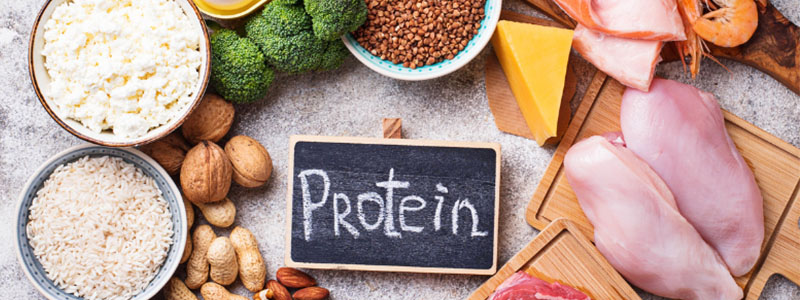
For females, protein is a key macro nutrient that supports the body in building and repairing tissues, while also aiding in the production of hormones, enzymes, and neurotransmitters. Based on factors like age, activity level, and eating habits, each person has a unique protein requirement for staying healthy and strong.
From my own experience with clients, consistent protein intake helps improve muscle mass, muscle strength, and even supports weight loss goals. Since the body can’t produce all 9 essential out of the 20 amino acids, it’s important to consume quality proteins through your diet on a daily basis—especially for women, men, kids, and the elderly dealing with various health conditions for optimal balance.
Whey Protein for Women: Why Is It So Essential?
As a trainer, I’ve seen how protein helps women feel full longer, balance their energy levels, and control appetite. It’s easy to digest, doesn’t break down your schedule, and gives your body what it needs in a short time.
The thermic effect of food means you burn 20-35 percent more calories just by digesting protein. This makes it efficient for burning fat and keeps your body using energy wisely—even when you’re not moving.
Whey protein is the best choice for women’s diet. It supports muscle-building, helps repair cells, and boosts the immune system by raising glutathione, a key tri-peptide. It’s also essential for hair, skin, and nails, building keratin and collagen, which form connective tissues and help prevent premature wrinkles and weak joints.
After age 30, women lose about 3–8% muscle mass every decade. This decline worsens after 60, especially during perimenopause and menopause when estrogen drops. Protein keeps bones strong, and the National Osteoporosis Foundation (NOP) says women over 50 are at risk to break a bone—so a high-protein diet helps maintain bone mineral density and reduces bone loss.
How Much Protein Do Women Really Need?
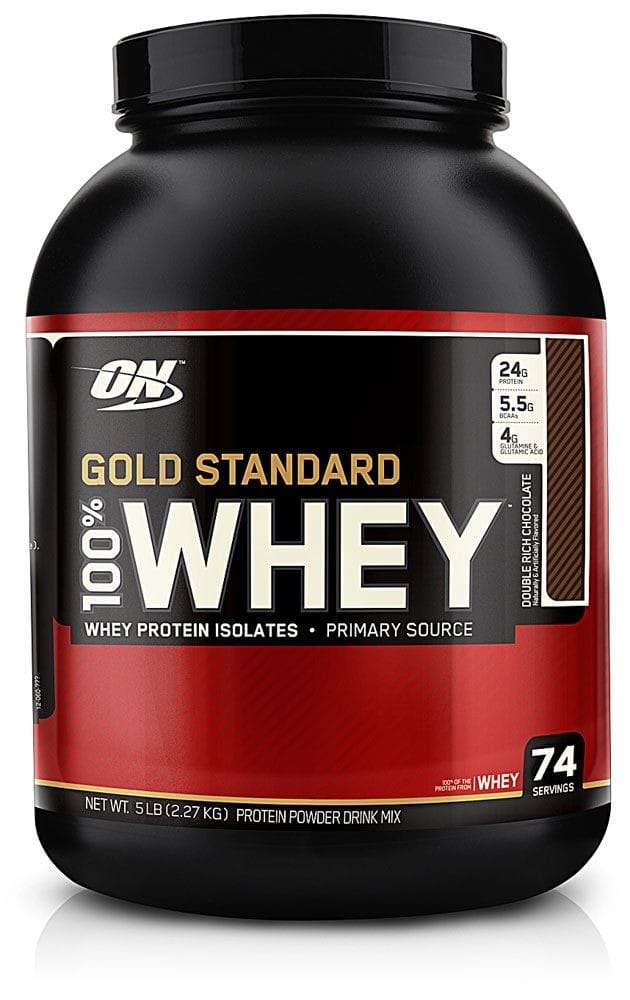
In recent years, Whey has become an immensely popular supplement among the female segment due to its convenient use and wide accessibility. Whether it’s in the form of shakes, bars, or even cookies, this complete source helps women increase their protein intake while enjoying great health benefits.
To dig deeper into the importance of protein, the National Institute of Health (NIH) sets the recommended dietary allowance differently for each life stage. A sedentary Adult woman needs around 0.8–1g/kg BW, while Children, youth, and Elderly over 50+ may require 1.0–1.6g/kg BW, depending on activity and body condition.
During Pregnancy, especially in the Early phase, 1.22–1.66g/kg is advised, and in Late stages, it rises to 1.52–1.77g/kg. A Breastfeeding mom should get about 1.3g/kg to meet both her and her baby’s needs, showing just how vital proper protein planning is across all phases of a woman’s life.
Benefits of Whey Protein for Women
Whey protein is a great source of essential amino acids (EAAs) that support muscle growth and repair. It is highly effective for women, especially those involved in resistance training, helping to boost muscle building without the fear of becoming overly muscular. Regular intake can support muscle recovery, making it a valuable supplement for women aiming to improve their fitness and performance.
Additionally, whey protein can aid in weight loss by reducing appetite and increasing satiety, which helps manage calorie intake. For women looking to maintain a healthy weight, incorporating protein-rich foods like whey protein into meals or post-workout snacks can be a game-changer in supporting muscle recovery while promoting fat loss.
Not only does whey protein support physical health, but it also helps boost the immune system with components like immunoglobulins and lactoferrin, which are naturally found in milk products. This can improve your overall health, providing a comprehensive approach to wellbeing that goes beyond just muscle growth.
Share this article
Recent Posts
More News


Pakistani Diet Plan for Weight Loss: A Guide


Side Effects of Whey Protein Use


The Importance of Protein in a Healthy Diet