Introduction: Protein is an essential macronutrient that plays a crucial role in the growth, repair, and maintenance of our body tissues. It is made up of amino acids, which are the building blocks of life. Including an adequate amount of protein in our diet is essential for overall health and well-being. This article aims to highlight the importance of protein and provide valuable information on its sources and recommended daily intake.
The Role of Protein in the Body: Protein serves a multitude of functions within the human body. It is responsible for repairing damaged tissues, building and maintaining muscle mass, supporting immune function, producing enzymes and hormones, and contributing to the overall structure and integrity of cells. Additionally, protein can provide energy when carbohydrates and fats are insufficient.
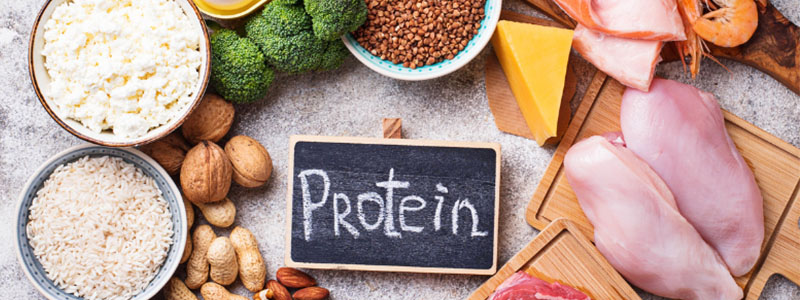
Sources of Protein: Protein can be obtained from both animal and plant sources. Animal sources include lean meats, poultry, fish, eggs, and dairy products like milk, yogurt, and cheese. These sources provide complete proteins, containing all essential amino acids required by the body. Plant-based sources of protein include legumes (such as lentils, chickpeas, and beans), tofu, tempeh, soy products, quinoa, nuts, and seeds. While plant-based proteins may lack some essential amino acids individually, consuming a variety of plant-based protein sources can ensure an adequate amino acid profile.
Recommended Daily Intake: The recommended daily intake of protein varies depending on factors such as age, sex, weight, activity level, and overall health. As a general guideline, the average sedentary adult requires about 0.8 grams of protein per kilogram of body weight. However, individuals engaging in regular exercise or physical activity may need more protein to support muscle repair and growth. Athletes, for example, often require 1.2 to 2 grams of protein per kilogram of body weight. Consulting a healthcare professional or registered dietitian can help determine the appropriate protein intake for individual needs.
Protein and Weight Management: Protein plays a significant role in weight management and satiety. Including protein-rich foods in your meals can help you feel fuller for longer, reducing the likelihood of overeating or snacking on unhealthy foods. Additionally, protein requires more energy to digest, known as the thermic effect of food, which can slightly boost your metabolism. Incorporating protein into a balanced diet can support weight loss efforts and help maintain a healthy body composition.
Conclusion: Protein is a vital nutrient that is essential for various bodily functions. It is necessary for growth, repair, and maintenance of tissues, supports immune function, and plays a role in weight management. By incorporating both animal and plant-based protein sources into our diets, we can ensure an adequate intake of essential amino acids. Remember to consult with a healthcare professional or registered dietitian to determine the appropriate amount of protein based on individual needs and goals. Prioritizing protein as part of a well-rounded, nutritious diet can contribute to a healthy and vibrant life.
What are the benefits of protein in the human body?
Protein is essential for muscle repair, tissue repair, and growth. It supports the immune system by creating antibodies to ward off infections and diseases. It also helps transport oxygen and nutrients throughout the body, while regulating blood sugar and metabolism. Protein improves recovery rate, supports energy production, and maintains hormonal balance, ensuring overall health and performance.
Is protein the most important part of a diet?
Protein is an essential nutrient found in many foods, playing a key role in muscle repair and growth. For the average person, meeting the daily intake of around 7 grams per 20 pounds of body weight can help with muscle mass and overall health. It’s an important part of a balanced diet that provides energy and supports metabolism. Protein’s nutritional value is crucial for wellness, aiding in recovery after exercise and helping build strength. Incorporating essential foods like lean meats, beans, and dairy into your everyday diet can easily meet your nutritional needs and help you reach your fitness goals.
Why is protein important in the human diet?
Protein is important because it acts as the building blocks of the body, playing a crucial role in the development of muscles and bones. It provides essential amino acids that are needed for growth, repair, and the production of hormones and enzymes. These elements are vital for maintaining a healthy body and ensuring proper energy levels. In addition to its role in repair, protein is also a great energy source, supporting the body’s overall energy needs.